Caregiving for Someone with Down Syndrome and Dementia
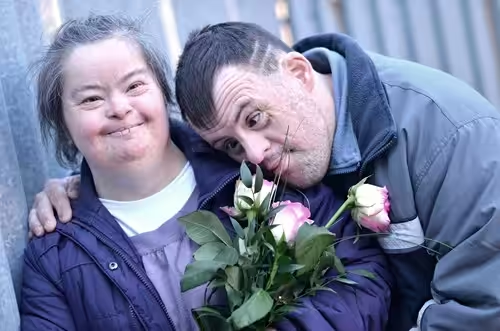
October is recognized as Down Syndrome Awareness Month. It’s a time to recognize and raise awareness about Down Syndrome and to celebrate and educate others about issues that concern caregivers and individuals who deal with Down Syndrome. We’re focusing on caregiving for individuals who have both Down Syndrome and Dementia.
Down Syndrome Increases the Risk of Dementia
Adults with Down Syndrome are susceptible to the same conditions and diseases that any non-intellectually disabled aging adult would experience. A key difference though is that adults with Down Syndrome experience premature aging. These adults will show physical signs of aging about 20 to 30 years ahead of others. An adult with Down Syndrome may have symptoms of Dementia that occur in their mid-40s, while those who do not have the diagnosis do not usually show symptoms until they are in their late 60s.
WebMD reports that it estimated about 25 percent of individuals with Down Syndrome will experience symptoms of Dementia. That’s about three to five times more than adults without Down Syndrome. Early aging of the brain is one factor that could be caused by the extra gene for those with Down Syndrome. However, more research is needed to determine if this is in fact true.
How Does Dementia Affect Adults with Down Syndrome?
Adults with Down Syndrome may experience different symptoms than commonly associated with Dementia. Instead of memory loss, there may a change in activities of daily living. An adult with Down Syndrome may also experience seizures, even if the person has never had them before. There may be behavior or personality changes. Some decline in fine motor control or work productivity.
Many times, adults with Down Syndrome will not self-report their concerns. It is important for Caregivers to be alert to identify changes they may notice in their clients. A medical professional will have to make the diagnosis, but the doctor should also know the history of the client and the of memory loss and functioning. Many symptoms of Dementia can also be related to other conditions, such as hearing or vision loss, sleep apnea or a low thyroid function.
It is important to develop a strong support network that includes medical specialists, social workers and support for family and friends when working with a client or family member who has Down Syndrome.
Home Helpers of Drexel Hill offers care for seniors and home care options for adults with Intellectual Disabilities. Contact us for more information on how we can help you care for your loved one and yourself.
Categories

The Most Comprehensive Care In The Industry
Physical Wellness
We make daily life easier as needs change, with support for personal care, mobility, medication reminders, and recovery after a hospital stay.
Learn More
Mental Well-Being
Staying active and connected matters. Our caregivers provide companionship and meaningful engagement to support emotional health and independence.
Learn More
Nutrition & Hydration
Healthy meals and proper hydration are essential. We help with planning, shopping, and preparation to support daily wellness and energy.
Learn More
Active Connections
Strong relationships bring comfort and purpose. We help seniors stay connected through social engagement, technology, and regular check-ins.
Learn More